
The Chicago Bears didn’t just beat the Pittsburgh Steelers on Sunday, November 24, 2025 — they kept their playoff dreams alive with a 31-28 thriller at Soldier Field in Chicago, Illinois. Now 8-3, the Bears sit as the NFC’s No. 3 seed, but don’t let the record fool you: their path to home-field advantage is razor-thin. One slip-up in their final five games — especially against division rivals — and their season could unravel faster than a frayed helmet strap.
Who’s Leading the NFC? It’s Tighter Than a Playoff Tiebreaker
As of November 25, 2025, the Los Angeles Rams lead the NFC at 9-2, but they’re not exactly cruising. The Philadelphia Eagles and Chicago Bears are tied at 8-3, while the Tampa Bay Buccaneers hold the final division title at 6-5. Then come the wild cards: the Seattle Seahawks (8-3), Green Bay Packers (7-3-1), and San Francisco 49ers (7-4) all breathing down the Bears’ necks. The Detroit Lions (7-4) are just one game back, and they’ve got a better head-to-head record against Chicago. That’s not a footnote — it’s a loaded gun pointed at the Bears’ playoff hopes.Here’s the thing: in the NFL, division record beats everything. Even if the Bears finish 10-7 and the Packers finish 10-7, whoever wins the NFC North gets the automatic top-four seed. And that’s why every snap against Green Bay and Detroit matters more than a fourth-down conversion.
The Bears’ Schedule: A Minefield in the NFC North
The Bears still have five games left. Three of them are against division rivals: home vs. Green Bay on December 15, road at Detroit on December 22, and a final showdown with the Packers on January 2, 2026. Win two of those? They’re likely in as division champs. Lose two? They could drop to the sixth seed — and face a road game against the Rams or Eagles in the first round.Marquee Sports Network’s analysts didn’t mince words: “This isn’t just about making the playoffs. It’s about whether Soldier Field hosts a playoff game for the first time since 2018.” That’s not just nostalgia — it’s revenue, momentum, and home-field advantage. The last time the Bears hosted a playoff game, Justin Fields was a rookie. Now he’s the QB trying to turn this into something lasting.
And the schedule doesn’t get easier. After the Lions game, they face the Minnesota Vikings on the road — a team that’s been surprisingly tough lately. Then comes the final game: a home matchup with the Arizona Cardinals on January 5, 2026, the last day of the regular season. That’s not a tune-up. It’s a trap game waiting to happen.
The AFC: Patriots Still on Top, But the Chase Is On
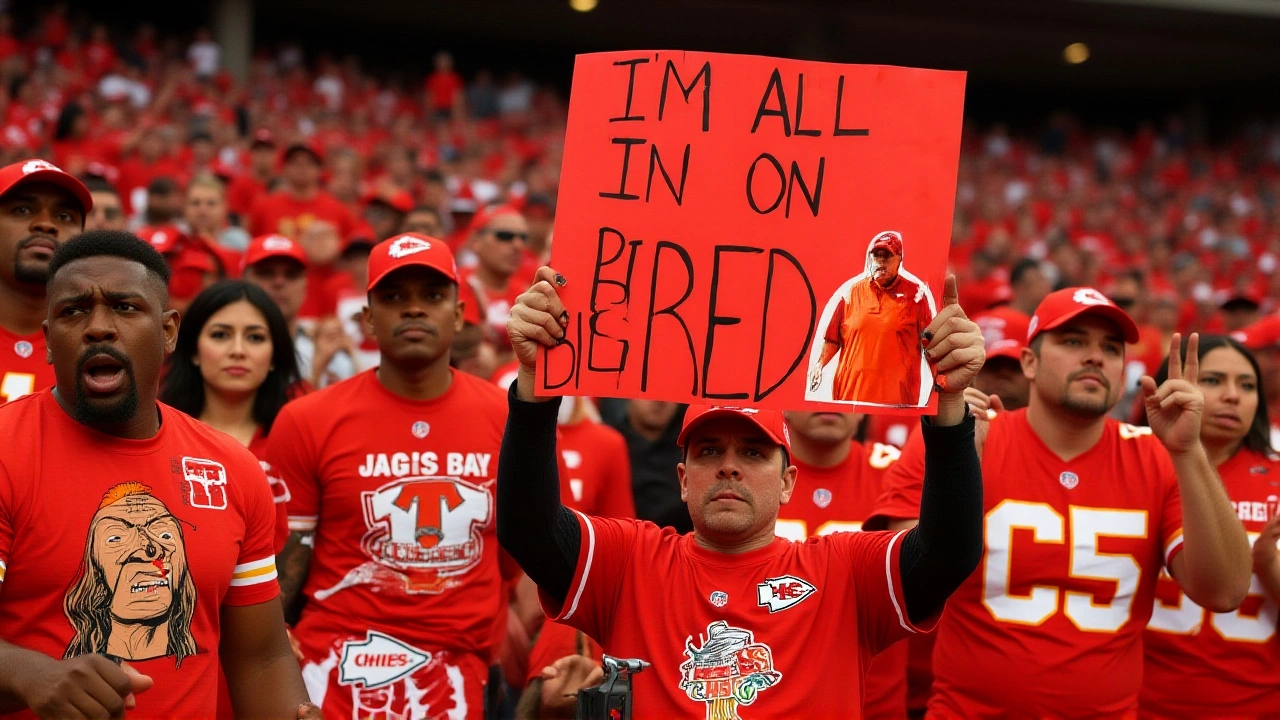
While Chicago’s focus is inward, the New England Patriots are running away with the AFC at 10-2. The Denver Broncos (9-2) are right behind them, and the Indianapolis Colts (8-3) are hanging on. But the real story? The Jacksonville Jaguars (7-4) are the sixth seed — and they’ve got a brutal final stretch: road games at Denver, Indianapolis, and Tennessee. They could easily fall out.The Kansas City Chiefs (6-6) are looking better after Patrick Mahomes’ late-game heroics against the Colts on Thanksgiving Day. But their offense still looks like a car with a bad fuel pump — runs fine sometimes, sputters when it matters. And the Houston Texans, despite losing C.J. Stroud, are still dangerous. Their defense, under coach DeMeco Ryans, is the best in the league. That’s not a fluke. That’s a blueprint.
Why This Matters Beyond the Standings
The NFL’s tiebreakers aren’t just rules — they’re psychological weapons. Head-to-head. Division record. Conference record. Points scored. Points allowed. It’s a maze. And the Bears are in the middle of it, surrounded by teams with identical records but better tiebreakers.Remember last year? The Tampa Bay Buccaneers missed the playoffs at 9-8 because they lost the head-to-head to the New Orleans Saints. That’s the kind of thing that haunts franchises. The Bears don’t want to be that team.
And the stakes? Super Bowl LIX is in New Orleans on February 9, 2026. The winner of this NFC race will likely be playing for that trophy. The Bears haven’t been to a Super Bowl since 2006. They haven’t even won a playoff game since 2010. This isn’t just about making the postseason. It’s about rewriting a generation of disappointment.
What’s Next? Five Games. Five Chances.
The regular season ends January 5, 2026. The Wild Card round begins January 11. The Bears have five games left. Three are against division rivals. Two are against teams with losing records. That’s not luck — that’s opportunity.Coach Matt Eberflus knows it. Quarterback Justin Fields knows it. The fans at Soldier Field know it. Win the NFC North? They’ll host a playoff game. Lose it? They’ll be on the road, likely facing the Rams or Eagles — and history shows that’s a death sentence.
The dream season? Still alive. But it’s hanging by a thread. And that thread? It’s called division record.
Frequently Asked Questions
How does the NFC North tiebreaker work for the Bears?
The NFL prioritizes division record before head-to-head in tiebreakers. The Bears currently lead the NFC North at 8-3, but the Packers (7-3-1) and Lions (7-4) are close. If two teams finish tied, the one with the best record against division opponents wins the title. That’s why the Bears’ games against Green Bay and Detroit are more important than their matchups against non-division teams.
What happens if the Bears finish 9-8?
If the Bears finish 9-8, they’ll likely still make the playoffs — but only if they win the NFC North. If they finish second in the division, they’ll be a wild card. And with the Seahawks and 49ers also at 8-3 or better, they’d be the No. 6 seed, meaning a road game against the Rams or Eagles — both of whom have home-field advantage in the first round. History shows wild-card teams rarely advance past the Divisional round.
Why is Soldier Field so important for the Bears’ playoff chances?
Home-field advantage in the playoffs can swing games by 15-20% in win probability, according to NFL analytics. Soldier Field’s cold, windy conditions in January are notoriously tough on visiting quarterbacks. The Bears haven’t hosted a playoff game since 2018. Winning the NFC North guarantees them at least one home game — and possibly two — which could be the difference between a first-round exit and a trip to Super Bowl LIX.
Who are the biggest threats to the Bears in the NFC?
The Los Angeles Rams (9-2) are the top seed and have the easiest remaining schedule. The Seattle Seahawks (8-3) have a tougher slate but could sneak in as a wild card. The San Francisco 49ers (7-4) are dangerous — they beat the Rams earlier this season and have a dynamic offense. But the real threat? The Green Bay Packers. If Aaron Rodgers plays the rest of the season, they could overtake Chicago in the division.
When does the 2025 NFL playoffs start, and where is the Super Bowl?
The Wild Card round kicks off Saturday, January 11, 2026, with the Divisional round on January 18-19. The Conference Championships are set for January 26, 2026. Super Bowl LIX will be held at the Caesars Superdome in New Orleans, Louisiana on Sunday, February 9, 2026. The Bears haven’t played in a Super Bowl since 2006 — and this could be their best shot in over two decades.
Can the Bears still miss the playoffs entirely?
Yes — and it’s more likely than most fans realize. If the Bears lose two of their next three divisional games and drop to 8-5, they could be overtaken by the Seahawks, 49ers, or even the Buccaneers (who have a soft schedule). With only five games left, the margin for error is zero. A 9-8 record doesn’t guarantee anything unless they win the NFC North. This isn’t just a season on the line — it’s a franchise’s momentum.