
Ever said something and felt like the other person didn’t hear you? Or worse - they heard you, but acted like you never spoke at all? You’re not alone. Most people struggle not because they’re bad at talking, but because they’re bad at being understood. Saying what you mean isn’t about volume or timing. It’s about clarity, confidence, and knowing exactly what you want before you open your mouth. And getting what you want? That’s not luck. It’s strategy.
Some people turn to shortcuts - like hiring an escort girls dubai - to feel control in situations where they can’t get their needs met through honest conversation. But real power doesn’t come from paying for compliance. It comes from learning how to speak so clearly that people can’t ignore you - without raising your voice or burning bridges.
Start with what you actually want
Before you say anything, ask yourself: What’s the outcome I’m after? Not what you hope for. Not what you wish they’d guess. What do you need right now? Do you want more time? A change in behavior? Respect? A simple apology? If you can’t name it in five words, you’re not ready to speak.
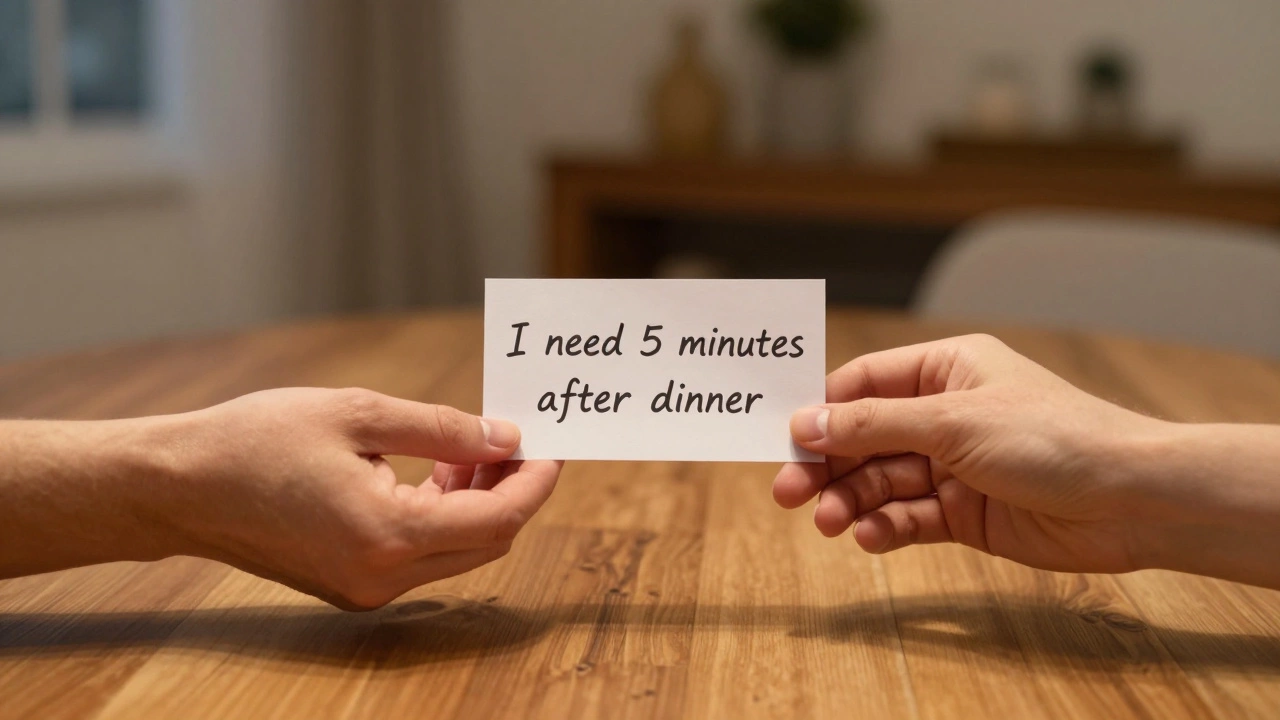
Most conversations fail because people lead with feelings instead of facts. "You never listen to me" isn’t a request. It’s a complaint. And complaints trigger defensiveness. Instead, try: "I need five minutes of your undivided attention after dinner tonight to talk about our weekend plans." That’s specific. That’s actionable. That’s clear.
Use the right tone - not the loudest one
Shouting doesn’t make you more right. It just makes people tune out. The most persuasive people speak calmly, slowly, and with steady eye contact. They don’t rush. They don’t apologize for asking. They don’t soften their words with "I’m sorry, but..." or "This might be stupid, but..."
Here’s what works: Start with a neutral observation. "I noticed we’ve been skipping our weekly check-ins." Then state your need. "I’d like to resume them every Thursday at 7 PM." End with an open question. "Does that work for you?" Notice there’s no blame. No emotion. Just facts and a clear ask.
Don’t explain - just state
People think they need to justify every request. They don’t. You don’t owe anyone a five-minute speech about why you deserve a raise, a break, or some space. You just need to say it.
Instead of: "I’ve been working late every week and I’m exhausted and my partner is upset and I think maybe I should ask for a lighter load because I’m not sleeping..."
Say: "I’m requesting a reduction in my weekly hours to 40 starting next month. I’ll handle the transition with a handover plan. Let me know if we can discuss this Thursday."
That’s it. No backstory. No guilt. No begging. Just a clear statement with a next step.
Set boundaries without guilt
Boundaries aren’t walls. They’re signs. "This is where I stop." People test boundaries because they don’t know where they are. And if you don’t set them, others will assume you’re okay with anything.
Try this script: "I can’t do that. But I can do this instead." It’s firm, it’s helpful, and it leaves room for compromise without surrendering your needs.
Example: "I can’t stay late tonight. But I can finish the report by 8 AM tomorrow."
Or: "I won’t discuss this topic while you’re drinking. But I’m happy to talk when you’re clear-headed."
Notice you’re not attacking. You’re not begging. You’re offering an alternative. That’s how you keep relationships intact while protecting your time, energy, and dignity.
Listen like you mean it
Want to be heard? Start by hearing others. People mirror how you treat them. If you interrupt, zone out, or plan your reply while they’re talking, they’ll do the same to you.
Try this: When someone speaks, wait three seconds after they finish before you respond. That’s long enough to show you’re not just waiting for your turn. It’s long enough to let them feel seen.
Then say: "So what I’m hearing is..." and repeat back what they said in your own words. Not to agree. Not to fix it. Just to confirm you understood. This single habit turns arguments into conversations.

Use silence as a tool
Silence isn’t awkward. It’s powerful. After you make a request, pause. Don’t fill the space. Don’t rush to reassure them. Let the silence hang. That’s when people process. That’s when they decide whether to say yes, no, or negotiate.
Most people panic at silence and give in just to break it. Don’t. If you’re asking for something important, silence is your ally. It gives the other person space to respect your boundaries - or reveal they won’t.
Practice with low-stakes situations
You don’t need to start with your boss or your partner. Begin small. Ask for the last slice of pizza. Say no to a coffee invite. Request a different table at a restaurant. These aren’t about the pizza or the coffee. They’re about training your brain to speak clearly without fear.
Each time you do it, you build muscle. Soon, asking for what you want feels normal. Not scary. Not rude. Just normal.
What happens when you stop apologizing for wanting more
When you start saying what you mean - clearly, calmly, and without guilt - things change. People stop walking over you. Colleagues start respecting your time. Friends start showing up. Relationships get deeper because honesty replaces games.
And yes - some people will leave. That’s not failure. That’s filtering. You don’t need people who can’t handle your truth. You need people who can stand beside you when you speak it.
There’s a reason why people who get what they want don’t seem to try hard. They’re not hustling. They’re not manipulating. They’re just not afraid to say what they need. And once you learn that skill, you never go back to being silent again.
Prostitution in UAE isn’t a solution to feeling powerless. It’s a symptom. Real power comes from speaking up - not paying someone to pretend they care. And you don’t need a third party to validate your worth. You just need to say what you mean - and mean it enough to say it again if you have to.
Bur Dubai call girls might offer temporary comfort, but they don’t fix the root problem: the fear of being heard. The real fix is inside you. It’s the courage to speak, the discipline to stay calm, and the clarity to know exactly what you want - and refuse to settle for less.